





The AFR IDEAS (Improved Data Extraction and Screening) microlab emerged from the workflow developed by the main CE AFR Lab, which worked to gather and synthesize an unprecedented body of literature about reforestation and forest regeneration around the world. This process relied on both manual extraction of articles from databases, as well as automated scraping of databases using scripts, followed by human analysis to screen for the particular content within each source. Unsurprisingly, this process took a lot of time and effort from the main lab team.
This effort-intensive process of gathering literature and extracting key details (‘metadata’) is common to many literature review efforts, and multiple tools exist to automate and streamline both identification of in-scope literature and recording metadata. One leading open-source tool is ASReview, which was used in a complementary workstream to the AFR Lab carried out by academic collaborators. ASReview has a sophisticated machine learning algorithm to identify sources relevant to a literature review, but was not used for the main AFR Lab because it did not provide a way to store structured metadata.
The AFR IDEAS team decided to build this feature to add to ASReview. They created an interface for reviewers to specify structured data to add to sources, for example specific subject, region, scale, and relevance markers, rather than having to add whole text notes. This enables faster review, more consistent metadata extraction, and more streamlined search and analysis of sources. Because this data is stored in the backend along with other metadata for each source, it also has the potential to be utilized by the machine learning model to give it the capability to scan source titles and abstracts and pre-suggest tags. These open-source additions improved ASReview’s functionality for researchers working in the reforestation domain and beyond.
We are happy to report that scientists using the new software have had very nice things to say, such as, “this will open up many possibilities and is a useful feature for many people,” and “This feature is amazing. Thank you for contributing.”
.png)
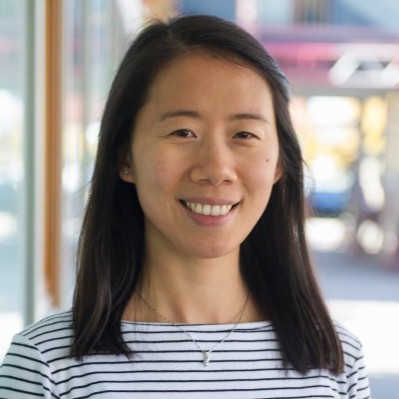
Computational Chemistry, AbbVie
Microlab Leader
Computational Chemistry, AbbVie
Dr. Michelle Liu is a chemical engineer with expertise in computational chemistry of crystalline and microporous materials, as well as a naturalist guide and lab leader for CE. She has worked on applications in catalysis, gas storage for carbon capture, and energy storage, and works to use computational modeling for societally relevant problems in chemical, environmental, and health sciences. She holds a PhD in Chemical Engineering from UC Berkeley.
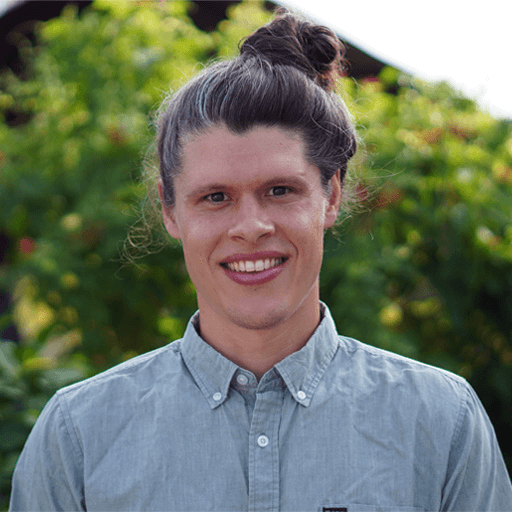
Restoration Ecology, ETH Zurich
Microlab Advisor
Restoration Ecology, ETH Zurich
Dr. Leland Werden is a restoration ecologist in the Crowther Lab at ETH Zürich. He uses large-scale restoration experiments and conducts global data syntheses to bridge the gap between ecological theory and restoration practice. He holds a PhD in Plant and Microbial Biology from the University of Minnesota.
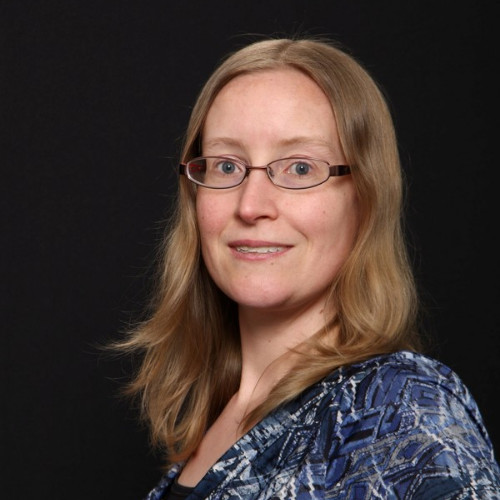
Computer and Data Science, Applied Brain Research
Microlab Member
Computer and Data Science, Applied Brain Research
Lisa Gaudette is a software developer and data scientist with experience in the private sector, government, and entrepreneurship. She currently works as a Full Stack Developer for Applied Brain Research, where she helps develop AI-powered large-scale brain models. She also has experience as an independent entrepreneur, and has developed multiple web apps. Her areas of expertise include machine learning, Microsoft Azure cloud, and developing integrations using third party APIs.
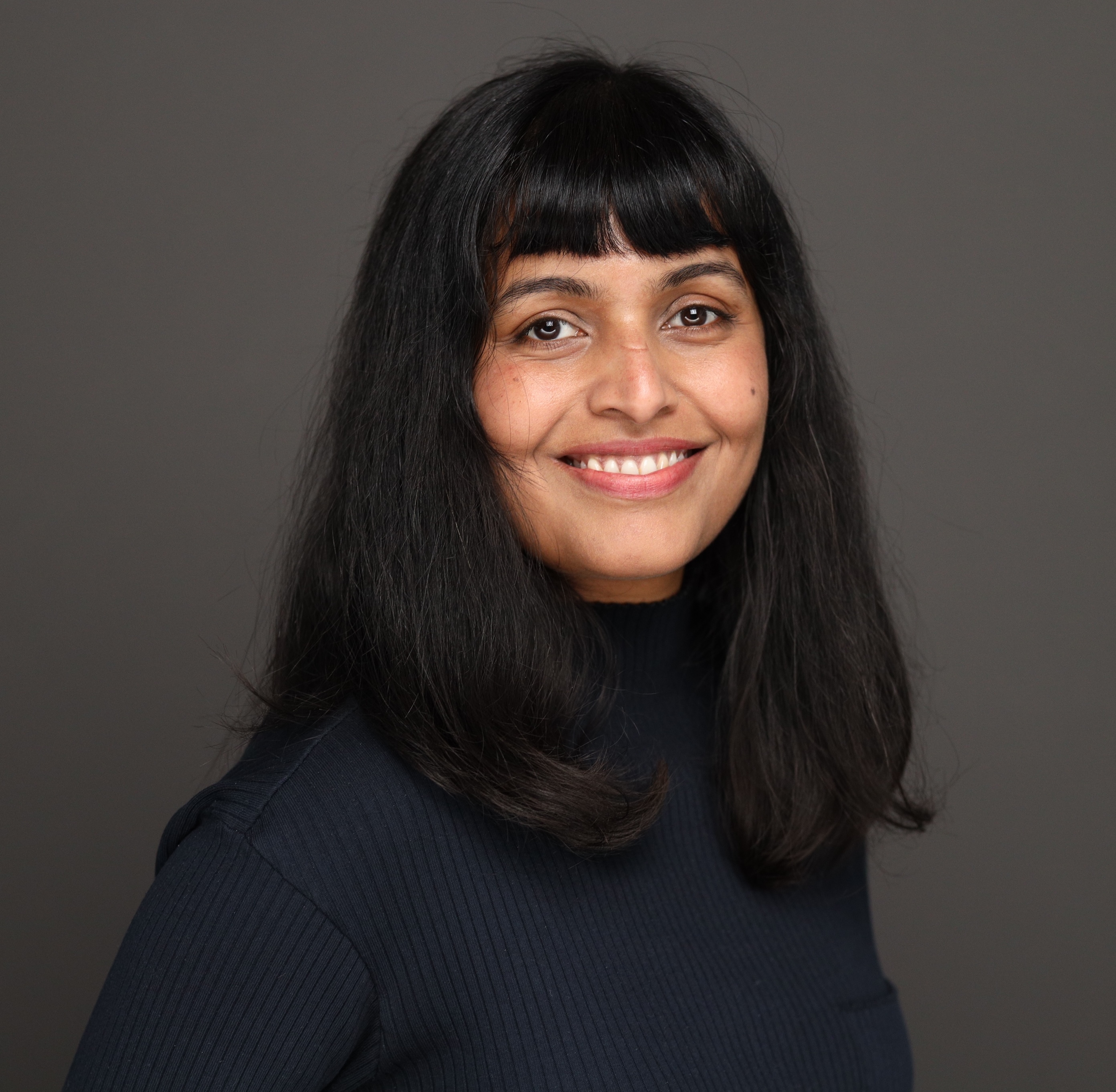
Software Engineering, Slack
Microlab Member
Software Engineering, Slack
Sherin Thomas is a software professional with over 12 years of experience in big data, data visualization, and machine learning. She has a strong interest in climate science problems, and has assisted NASA's SpaceML project in building software to process petabytes of satellite imagery to detect phenomena like hurricanes and forest fires. Sherin has extensive experience as a software engineer for major tech companies including Netflix, Lyft, and Slack, and is the Lab Leader for CE’s Aicacia Lab.
Computer Science, movingimage
Microlab Member
Computer Science, movingimage
Vladislav Gerasimov is a software engineer with expertise in numerous programming languages including Java, Kotlin, and Python. He works as a Senior Back End Developer at movingimage and volunteers as a software engineer at multiple environmental non-profits.