





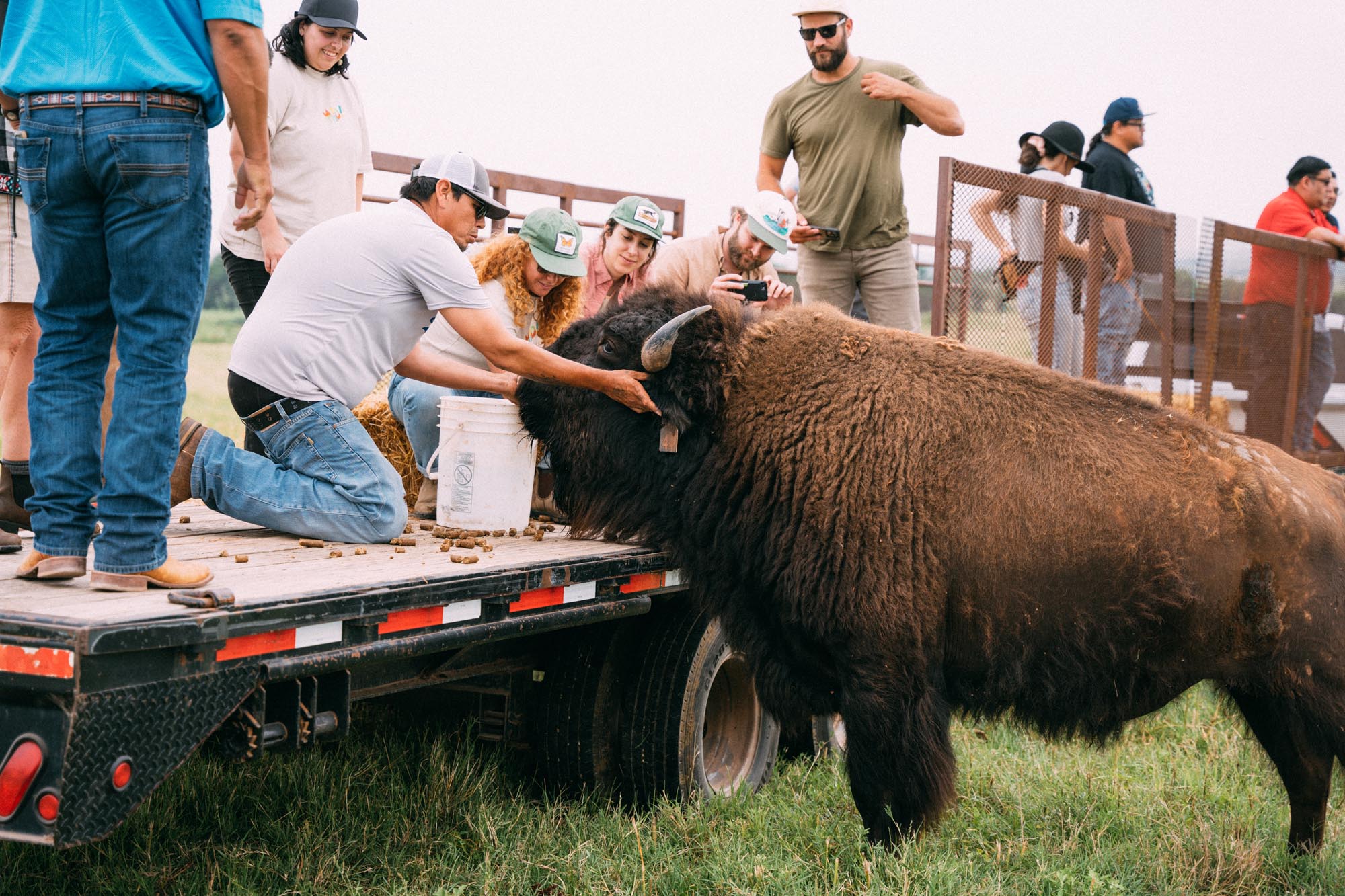
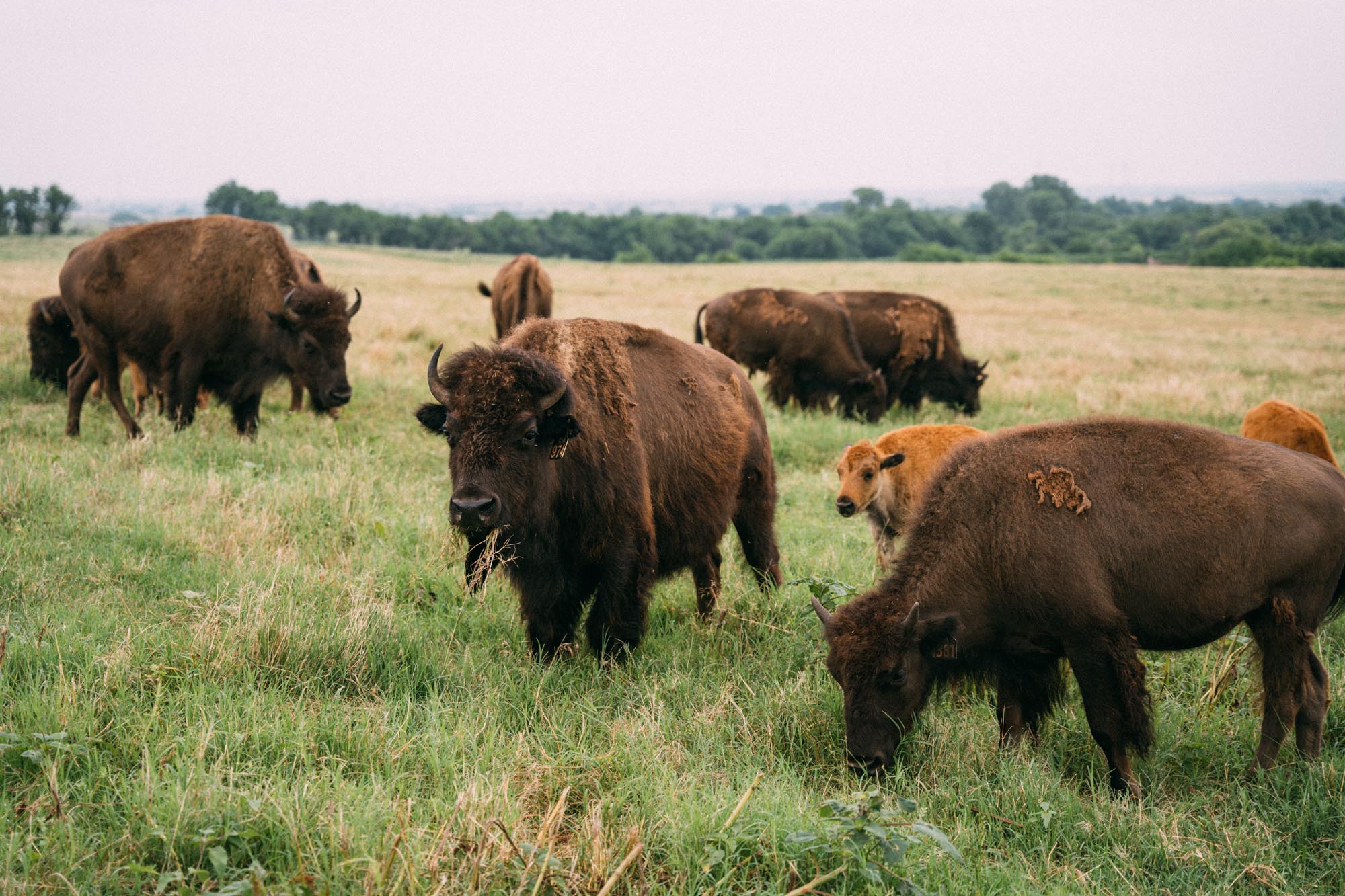
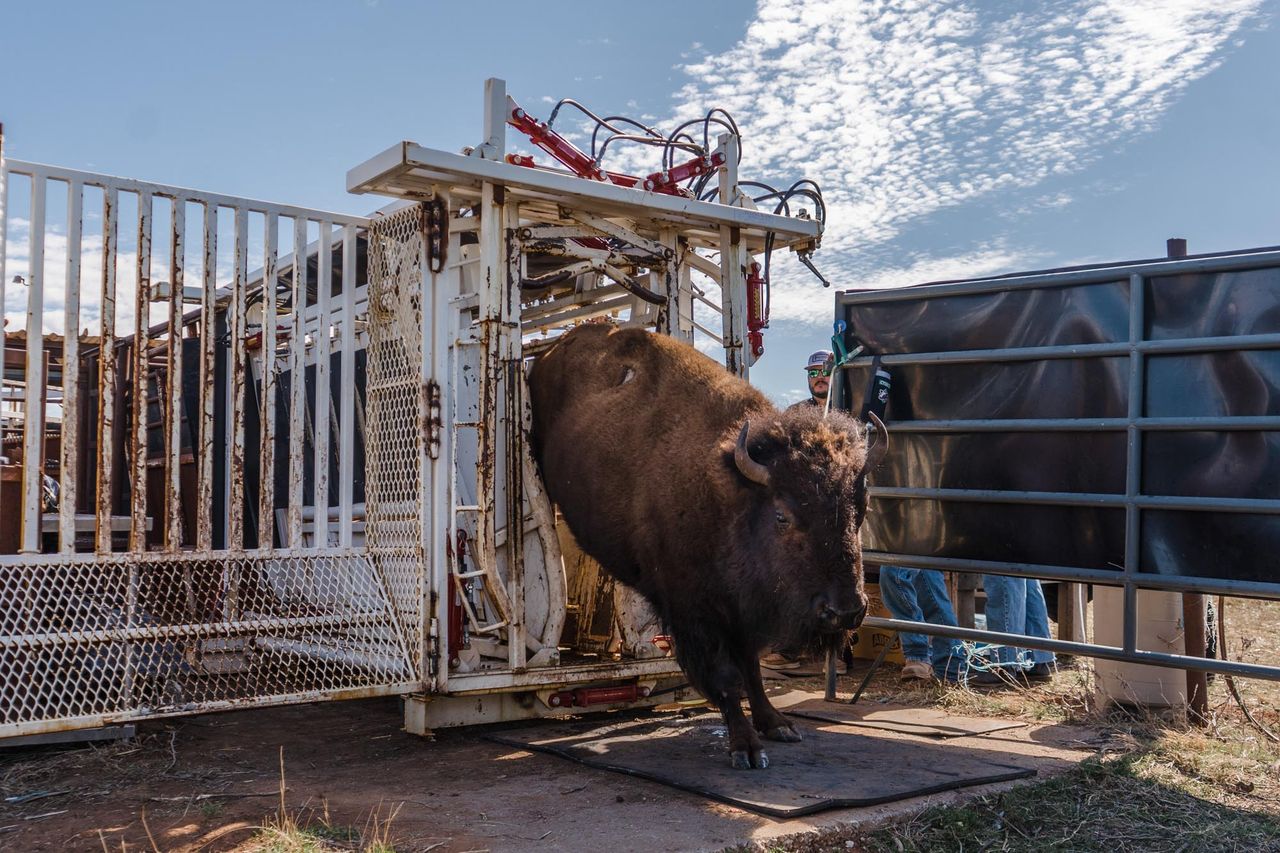
In close cooperation with the Cheyenne and Arapaho Tribes and Mad Agriculture, Collaborative Earth is helping to create a compelling demonstration of the ecological and economic outcomes of regenerating diverse and resilient grasslands supporting—and supported by—well-managed herds of buffalo. This project requires innovation in animal stewardship as well as grassland management. Specifically, we are investigating how behavioral dynamics and ecological effects of the formerly continent-wide migration of buffalo can be emulated in the contemporary context of the Southern Great Plains.
Buffalo have played a vital role in the culture and lifeways of many tribal communities. These communities understand that, among the many gifts they provide, buffalo help the grassland regenerate. This knowledge is reflected in the scientific literature, where there is strong evidence that buffalo can augment grassland biodiversity, and intriguing indications that buffalo grazing may sometimes result in removal of greenhouse gases from the atmosphere. However, this field of scientific research is very new, and viable management practices that serve the animal as well as grasslands are not yet well understood or widespread. Because of the nascent state of science and management, ranchers cannot yet benefit from a price premium tied to the ecological potential of regenerative grazing with bison, nor can they readily find the practical guidance or incentives needed to transition to this culturally and ecologically vital species.
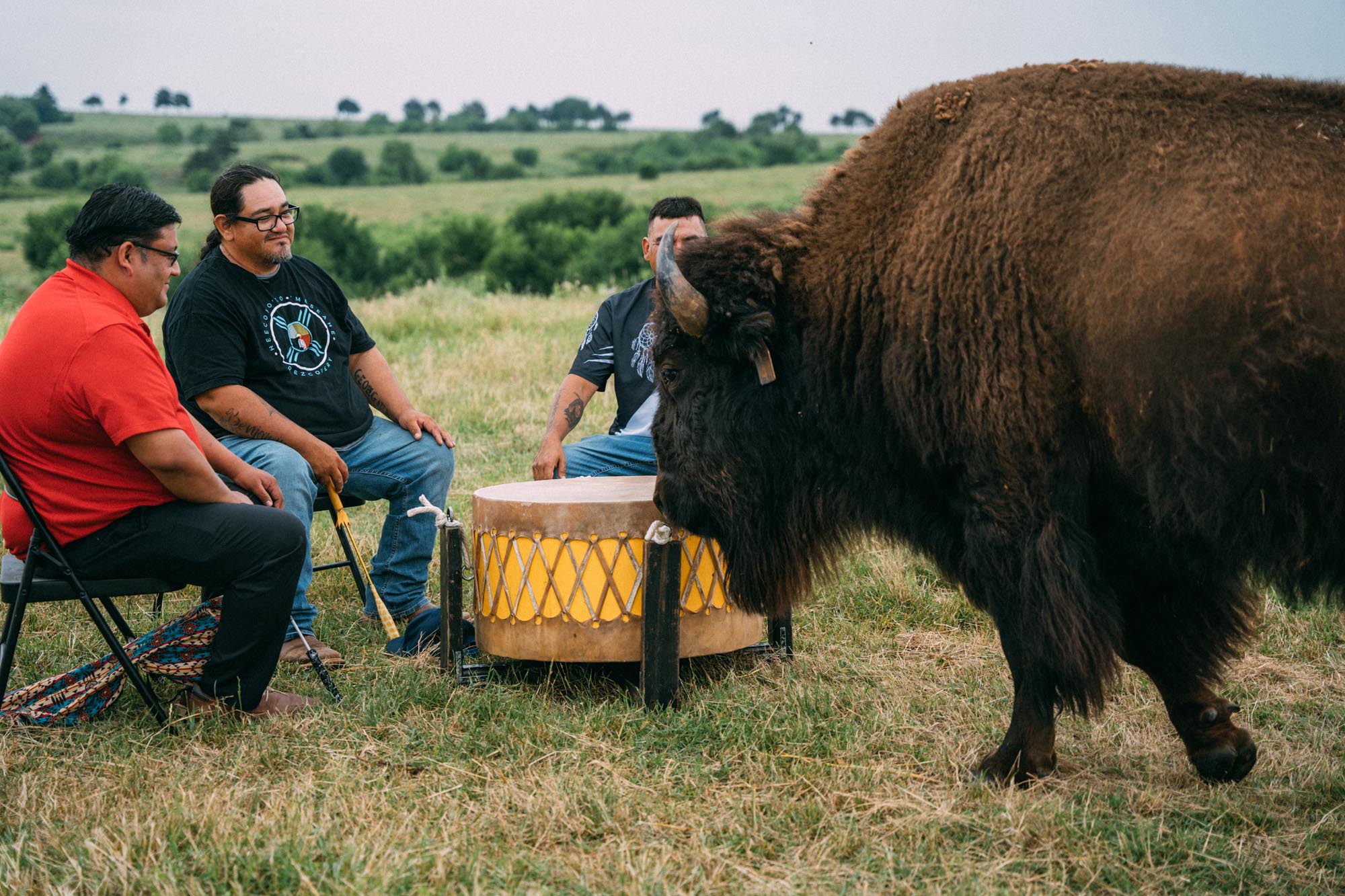
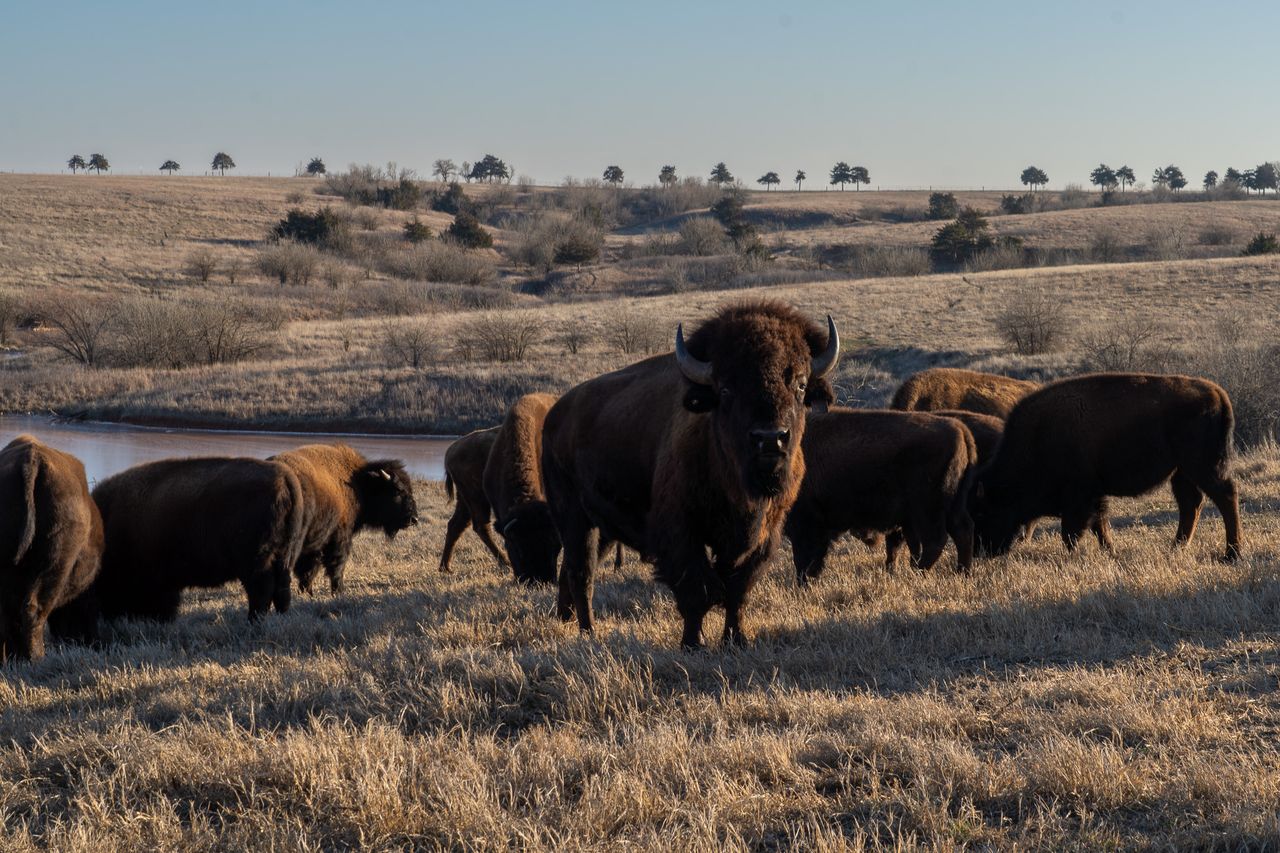
This project addresses these needs by creating a demonstration program in which we rigorously measure the effects of well-managed buffalo on grassland regeneration. We will improve scientific documentation of the effects of such management practices, reduce costs of monitoring climate-related outcomes, share information with ranchers about the potential benefits of regenerative bison grazing, and develop a new classification of land stewardship that will increase the value of buffalo products linked to regenerative practices.
Our management approach synthesizes deep local and traditional understanding, insights from the emerging movement of regenerative agriculture, and leading-edge scientific monitoring and modeling. We track the effects of this management using eddy covariance flux towers to measure, in real time, the gases coming off of and going into the demonstration ecosystem, and we track the changes to the soil beneath the recovering grasslands and grazing buffalo. Ultimately, these measurements will be used to share the story of the buffalo produced according to these practices, and enhance their value for the producers.
The demonstration program will be located on tribal lands in Oklahoma, but its findings and impacts will extend beyond western Oklahoma, reaching buffalo stewards across the United States. To enable stewards across the continent to benefit from the ecological services provided by their management practices, we will need to lower the costs of ecological monitoring; obviously, not every buffalo program can be expected to install flux towers. To lower costs for future adopters, we are developing models that will draw on openly accessible data, such as Landsat, or inexpensive measurement and observation methods to estimate the ecological effects of grazing.
An important component of this effort is the assembly of a larger dataset documenting when and where a transition to bison has been made. We are collaborating with the Wind River Tribal Buffalo Initiative and other buffalo stewards to begin assembling this larger dataset. Combined with more extensive ground-truthing, such a dataset will allow for more sophisticated models to estimate and forecast ecological effects of bison grazing.
It is becoming increasingly clear that the reintroduction of bison herds to grassland ecosystems can support regeneration of both ecological and human communities. Further investigation of the relationship between bison and rates of carbon sequestration, resilience of prairie to climate change, and recovery of biodiversity could catalyze widespread transition to an ecologically and culturally beneficial choice to rewild bison in an increasing portion of their former range.
-
University of Wisconsin and Collaborative Earth
Collaborative Earth
Wind River Tribal Buffalo Initiative and Collaborative Earth
Brown University
University of Wisconsin
Collaborative Earth

Soil Biogeochemistry, Collaborative Earth
Bison Lead
Soil Biogeochemistry, Collaborative Earth
Dr. Julie Tierney is an ecologist with interests in biogeochemical cycling and its relationship to global change, ecosystem resilience, and food systems. She is currently a postdoc researcher with CE, where she leads applied research in partnership with the Cheyenne and Arapaho Tribes in Oklahoma for our Bison Project to understand the ecological, carbon, and climate-related effects of bison grazing on tribal lands. She holds a PhD in Ecology and Evolutionary Biology from Princeton University.

Flux Towers and Carbon Cycle Modeling, University of Wisconsin and Collaborative Earth
Postdoctoral Researcher
Flux Towers and Carbon Cycle Modeling, University of Wisconsin and Collaborative Earth
Dr. Bethany Blakey is a postdoc researcher at CE and the University of Wisconsin-Madison Ecometeorology Lab. Her research is focused on plant-atmosphere interactions, climate change, and land management, with a particular focus on how land use feeds back into climate. She works with both remote sensing data and flux data, and has designed, built, and maintained custom sensing systems in both forests and croplands. She holds a PhD in Biology from the University of Notre Dame.
Collaborative Earth
Org Lead
Collaborative Earth
Aaron Hirsh is a scientist, writer, and entrepreneur with deep interests in environmental education and ecological regeneration. Aaron’s research has appeared in a variety of journals, including Nature, Science, and PNAS, while his writings have been published by The New York Times, The Wall Street Journal, The Best American series, and FSG. As an entrepreneur, Aaron has been involved in bio- and ed-tech. He was also a founder of The Vermilion Sea Institute and Board Chair for Ecology Project International. He holds a BA from Princeton and a PhD from Stanford.
Bison Dataset Assembly and Remote Sensing, Wind River Tribal Buffalo Initiative and Collaborative Earth
Team Member
Bison Dataset Assembly and Remote Sensing, Wind River Tribal Buffalo Initiative and Collaborative Earth
Albert Mason Jr is a Graduate Wildlife Researcher with the Wind River Tribal Buffalo Initiative and a master’s student at the University of Wyoming. He researches the interaction between Buffalo and other wildlife with tribal populations and land uses. Albert is an enrolled member of the Eastern Shoshone Tribe, with many different ancestry tribes.
Ecohydrology, ESPM UC Berkeley
Partner
Ecohydrology, ESPM UC Berkeley
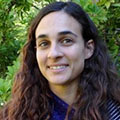
Dr. Maoya Bassiouni is a research scientist in the Department of Environmental Science, Policy and Management at UC Berkeley. She is an ecohydrologist who combines geophysical theory and ecosystem ecology with data science to understand vegetation interactions and their effects on water, carbon, and energy cycles in soil systems.
Biological Systems Engineering, University of Wisconsin-Madison
Faculty Advisor
Biological Systems Engineering, University of Wisconsin-Madison
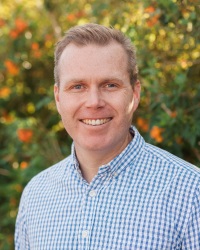
Dr. Paul Stoy is a Professor in the Department of Biological Systems Engineering at the University of Wisconsin – Madison. His research involves biosphere-atmosphere exchange of mass and energy, with an emphasis on modeling the processes that govern regional climate and long-term carbon and water flux in terrestrial ecosystems. He is also a co-Editor-in-Chief for Biogeosciences, and holds a PhD in Ecology from Duke University.
Soil Biogeochemistry and Sustainability Policy, Brown University
Faculty Advisor
Soil Biogeochemistry and Sustainability Policy, Brown University
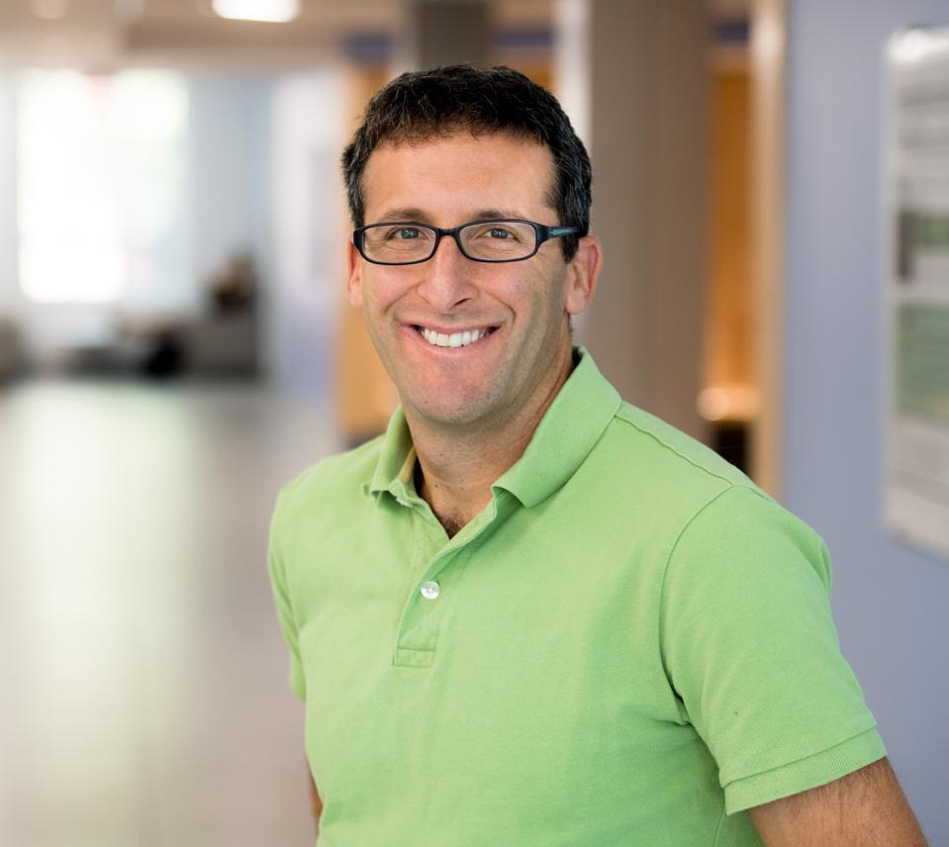
Dr. Stephen Porder is a Professor of Ecology, Biology and Environment and Society and Associate Provost for Sustainability at Brown University. His research focuses on nutrient and carbon cycling in tropical rainforests, the implications of industrial agriculture in the tropics, and the potential for large scale tropical forest restoration. He is the founder of the Possibly podcast, author of “Elemental,” and holds a PhD in Ecology and Evolutionary Biology from Stanford University.