





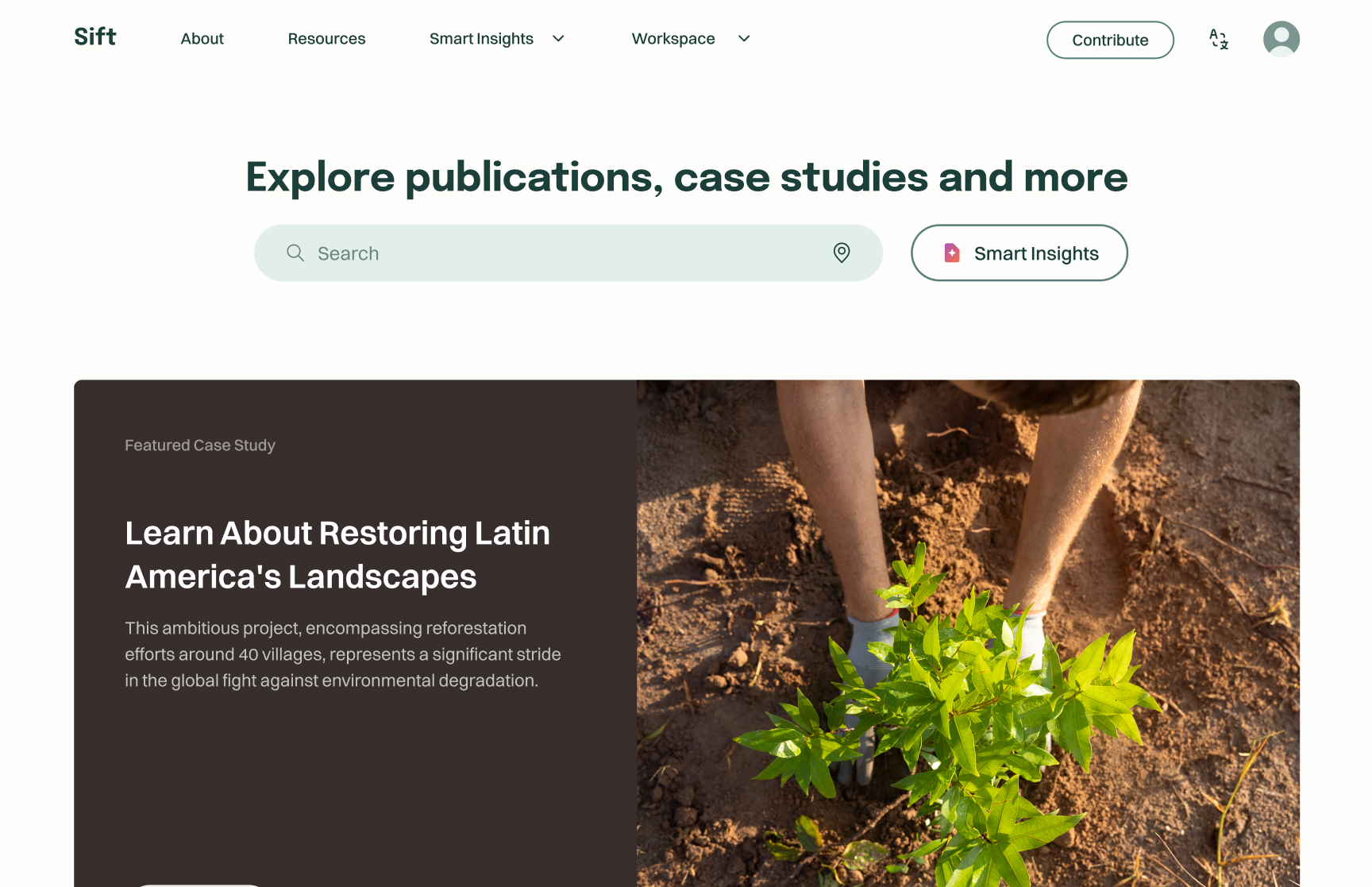
Sift is a tool designed to help reforestation practitioners simplify their planning process and more easily access useful information from disparate document sources. It provides an interface that allows users to explore, add, and organize information and tools to support their projects.
Sift was designed to house Aicacia, our limited language model AI tool for uncovering specific, trustworthy sources of restoration research and best practices. Aicacia is trained exclusively on vetted, high quality materials, ensuring that practitioners receive reliable information they can confidently apply in the field. Within Sift, users can search for information on best practices in the ecosystems they're working on. When practitioners begin a new project, they can use Aicacia to narrow down an expert-reviewed body of thousands of research papers, reports, and case studies into a focused set of resources, and generate clear, useful summaries of the most applicable reforestation guidance for the particular region or ecosystem they are focusing on.
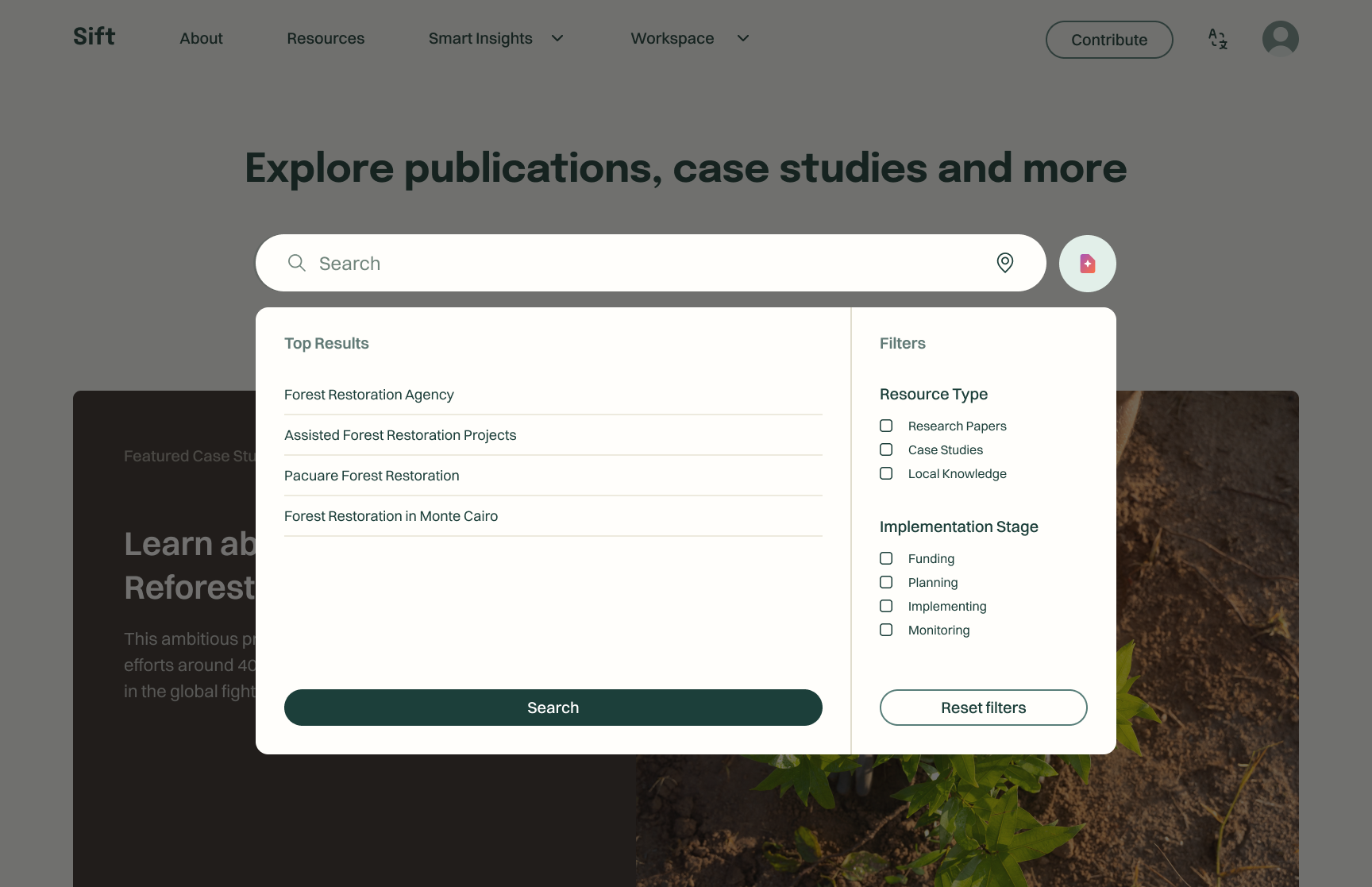
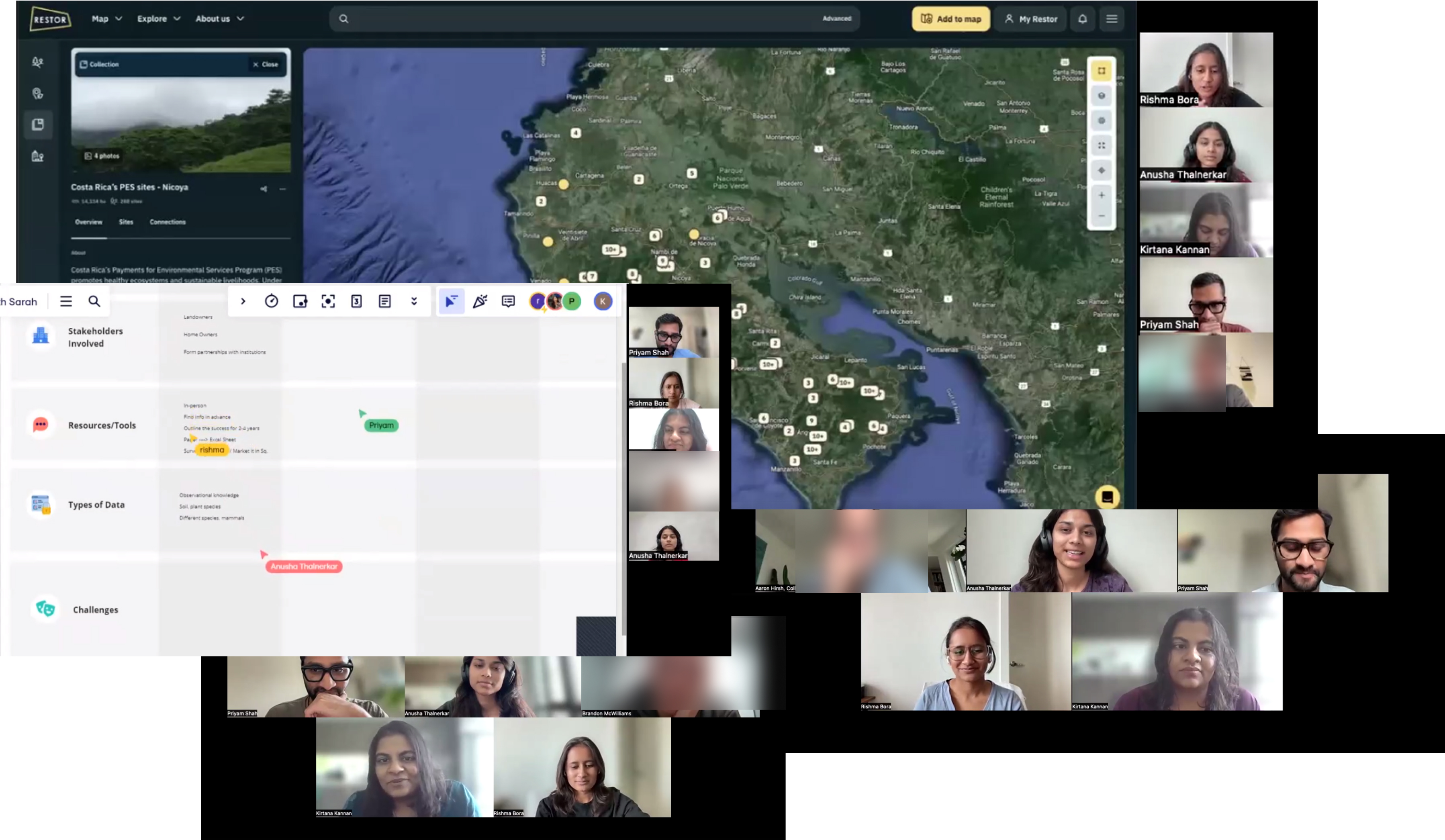
Practitioners can collect resources into project-specific workspaces where they can tag and organize information. Teams are then able to share sources with other team members, import other files, and create a unified space where they can easily locate, extract insights from, and store best practice information.
The intent of Sift is to provide users with a pleasant and streamlined experience for gathering information, and to reduce technological clutter and costs for busy practitioners. Rather than juggling multiple platforms and systems to track the many needs of a reforestation project, Sift centralizes existing tools and information into one place and streamlines the synthesizing and summarizing of documents.
Reforestation is notoriously complex and deeply context-specific. Practitioners are often tasked with delivering landscape-scale impact while navigating tight budgets, limited time and resources, diverse characteristics of planting sites, and the inherent variability of working with living systems. Sift helps teams bring clarity to this complexity, making it easier to organize information and plan effectively.

-
Computational Chemistry, AbbVie
Microlab Co-Leader
Computational Chemistry, AbbVie
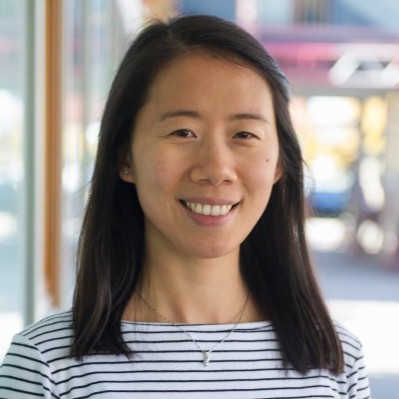
Dr. Michelle Liu is a chemical engineer with expertise in computational chemistry of crystalline and microporous materials, as well as a naturalist guide and lab leader for CE. She has worked on applications in catalysis, gas storage for carbon capture, and energy storage, and works to use computational modeling for societally relevant problems in chemical, environmental, and health sciences. She holds a PhD in Chemical Engineering from UC Berkeley.
Collaborative Earth
Microlab Co-Leader
Collaborative Earth
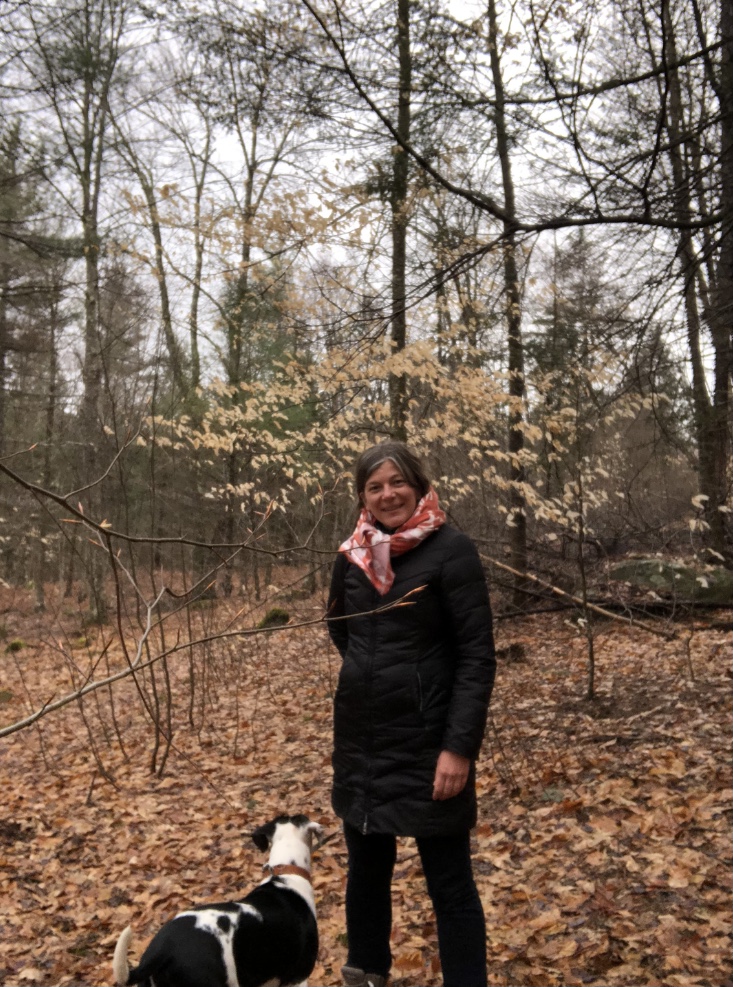
Sarah Bergmann works at the intersections of ecology, culture, environmental philosophy, and design. She was the designer and leader of the Pollinator Pathway, a civic project that brought together thousands of participants around a park designed to prioritize density within urban environments and sustain nature beyond city limits. She brings experience in the development of well-designed and researched civic projects, as well as in mobilizing communities around collective design for action.
Product Design, California College of the Arts
Microlab Member
Product Design, California College of the Arts
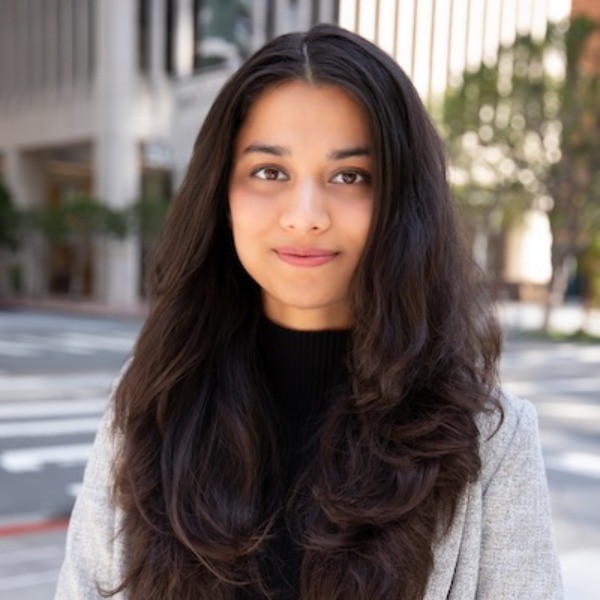
Anusha Thalnerkar is a visual designer based in San Francisco. She currently works at a startup building a data integration platform. Her work centers on UI and visual design, helping shape ideas into intuitive solutions for digital products and brands.
Product Design, California College of the Arts
Microlab Member
Product Design, California College of the Arts
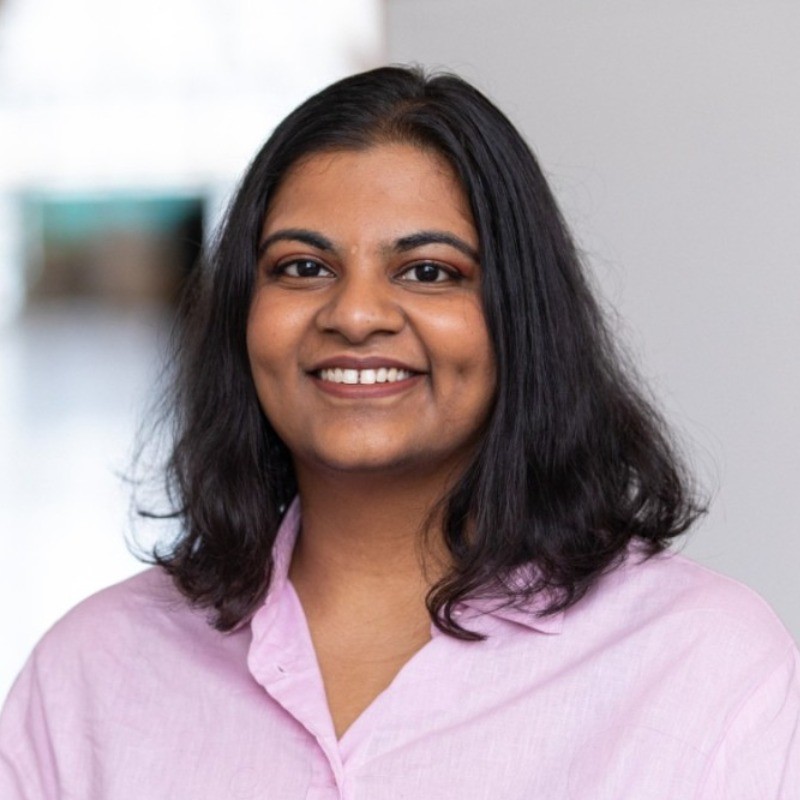
Kirtana Kannan is a UX designer with a background in architecture and interior design. She holds a degree in Interaction Design from California College of the Arts and has worked on platforms ranging from vendor marketplaces to data-driven forest restoration tools. She brings a systems-level perspective and values empathy, communication, and collaboration in creating accessible, user-friendly products.
Product Design, California College of the Arts
Microlab Member
Product Design, California College of the Arts
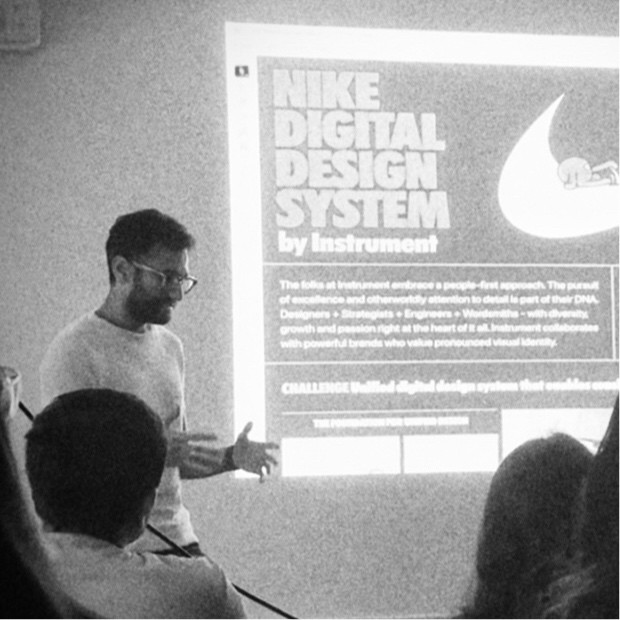
Priyam is a product designer based in San Francisco with a background shaped by a family of artists, designers, and entrepreneurs. With over a decade of engagement in design, Priyam focuses on creating software that is both beautiful and highly usable.
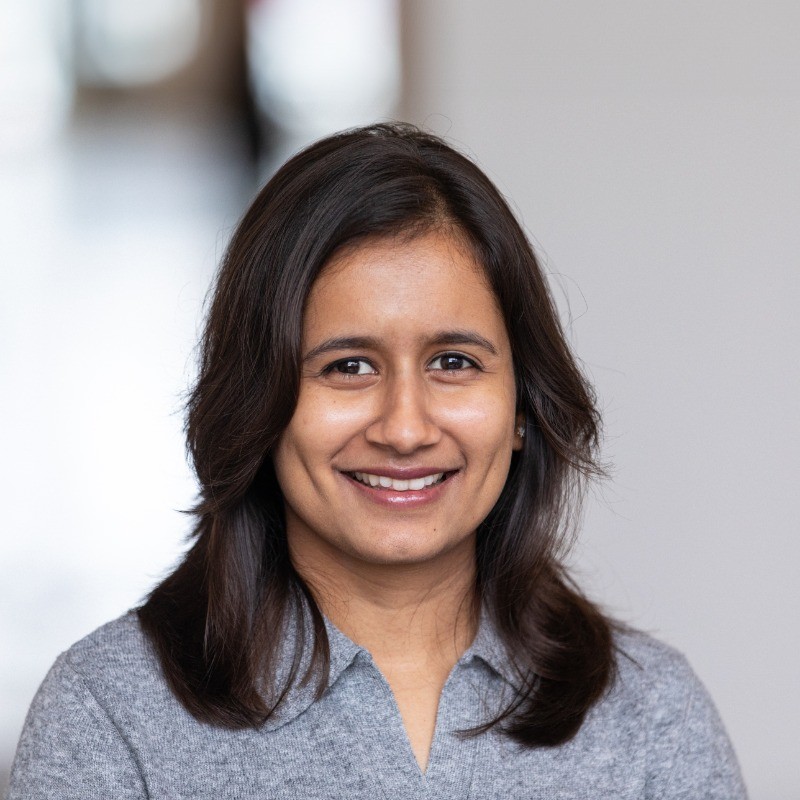
Product Design, California College of the Arts
Microlab Member
Product Design, California College of the Arts
Rishma is a San Francisco based product designer with a background in Visual Design and Design Systems. She has contributed to building both B2B solutions and consumer-facing products in global design agencies and startups. She is especially passionate about designing for the forest restoration and climate tech space.