





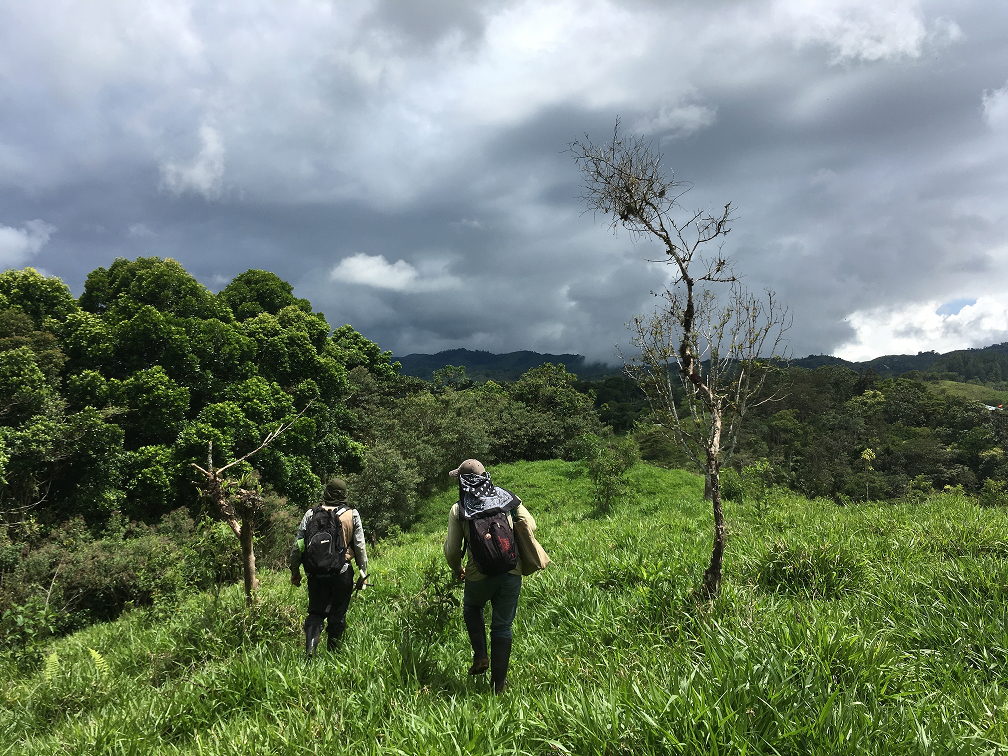
There is tremendous interest in mitigating the impacts of climate change with forest restoration. Many strategies are used to regain tree cover on deforested lands, ranging from low-cost approaches like natural regeneration (letting forest grow back on its own) to resource-intensive approaches such as assisted restoration (e.g., tree planting). Given the limited resources to achieve ambitious international goals, determining the most efficient and effective restoration approach at specific sites is critical to scaling the global restoration movement.
While there have been significant advances in understanding where forests are likely to naturally regenerate, the rates of recovery under natural vs. assisted restoration are extremely variable and often sparsely documented. Current remote sensing techniques and models, while useful in a broad sense, fall short of delivering regionally specific recommendations that can directly guide the choices of restoration practitioners on the ground. Moreover, in situations where assisted restoration approaches are necessary, projects have a high failure rate, often because inappropriate approaches are selected for site-level conditions.
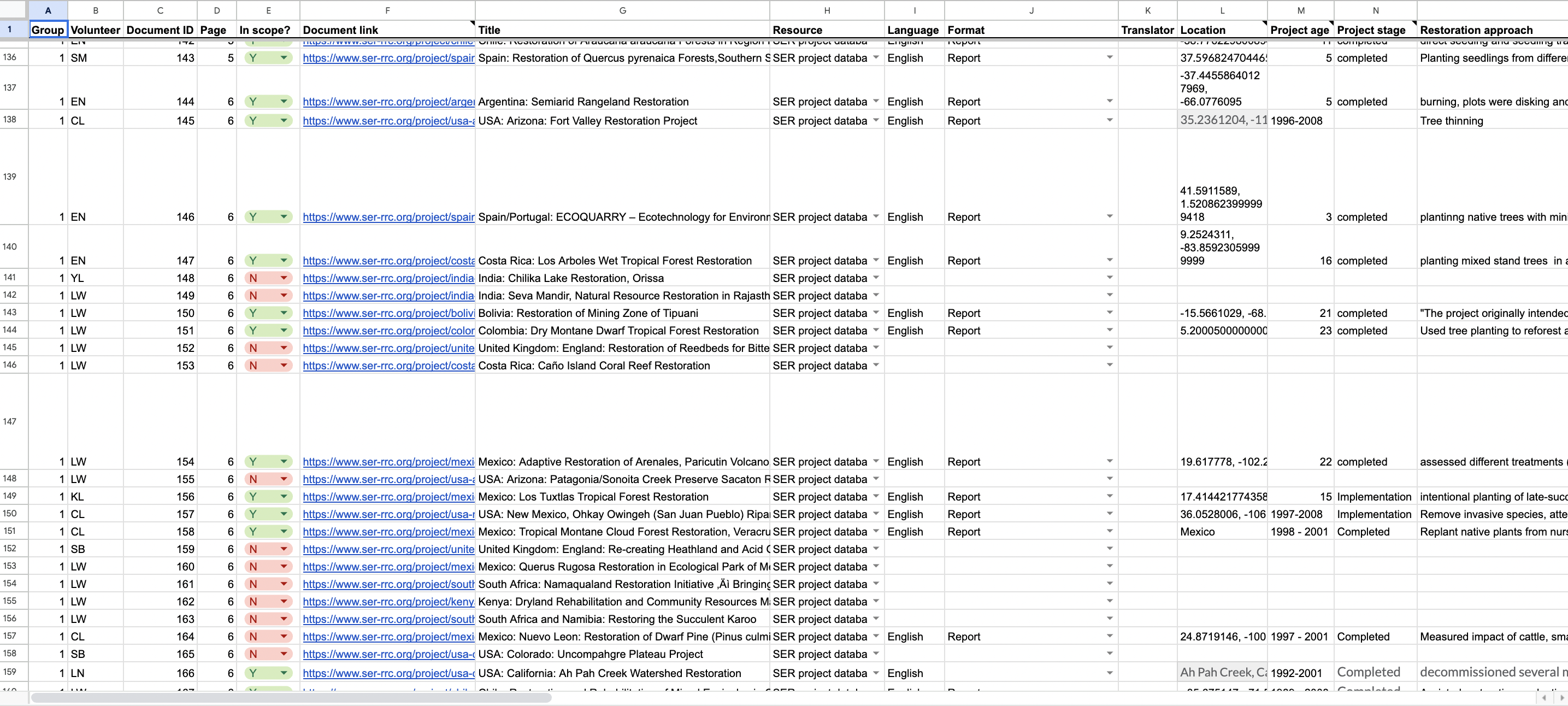
The Assisted Forest Regeneration (AFR) Lab helped address this problem by conducting a systematic literature review synthesizing existing published sources, unpublished data from field partners, and many non-english sources which are often not included in similar efforts. A diverse consortium of reviewers read through thousands of identified texts to pull out important details like restoration methodologies, location, size, and outcomes.
What began as a standard literature review evolved into an opportunity to expand how restoration knowledge is collected. As the scale of the task came into focus, tech-savvy team members began scraping data, writing code, and adapting the open-source machine learning tool ASReview to prioritize and sift through the vast body of material. This work, initially formed in this lab, was later developed further in the IDEAS microlab, which you can read more about here.
The information gleaned from this lab will contribute to a global analysis of forest restoration outcomes that will be submitted for publication by partners at ETH Zurich.
-
Ecology and Remote Sensing, Northern Arizona University
Lab Member
Ecology and Remote Sensing, Northern Arizona University
PhD student in Ecological and Environmental Informatics focusing on the intersection of technology and field-based science to understand the response of ecosystems to climate change.
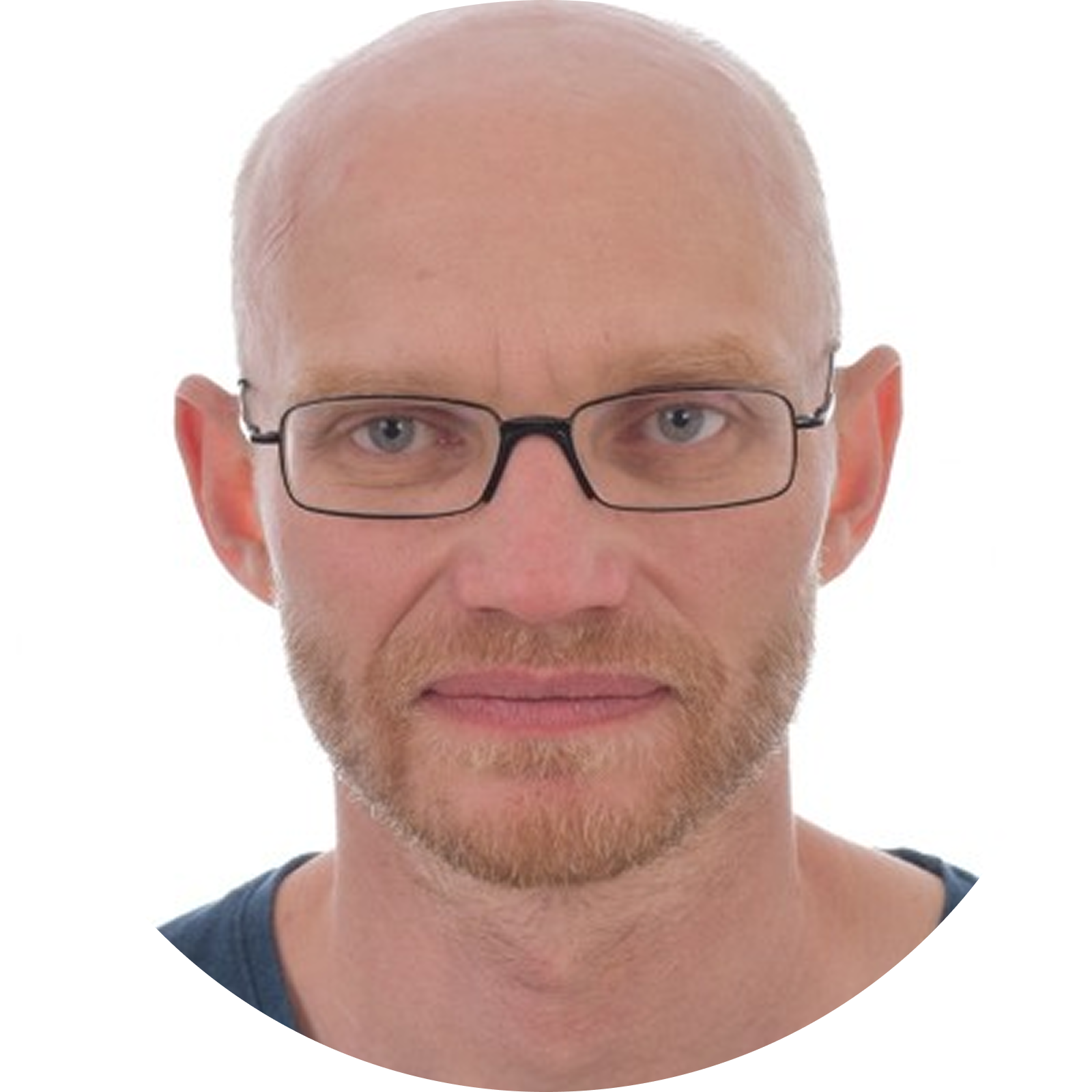
Landscape Ecology, TreeStory
Lab Member
Landscape Ecology, TreeStory
Forester and landscape ecologist working on carbon project development with smallholders and communities implementing ANR activities.

Computational Chemistry, AbbVie
Lab Facilitator
Computational Chemistry, AbbVie
Chemical engineer with expertise in computational chemistry. Works on computational modeling for societally relevant problems in chemical, environmental, and health sciences.
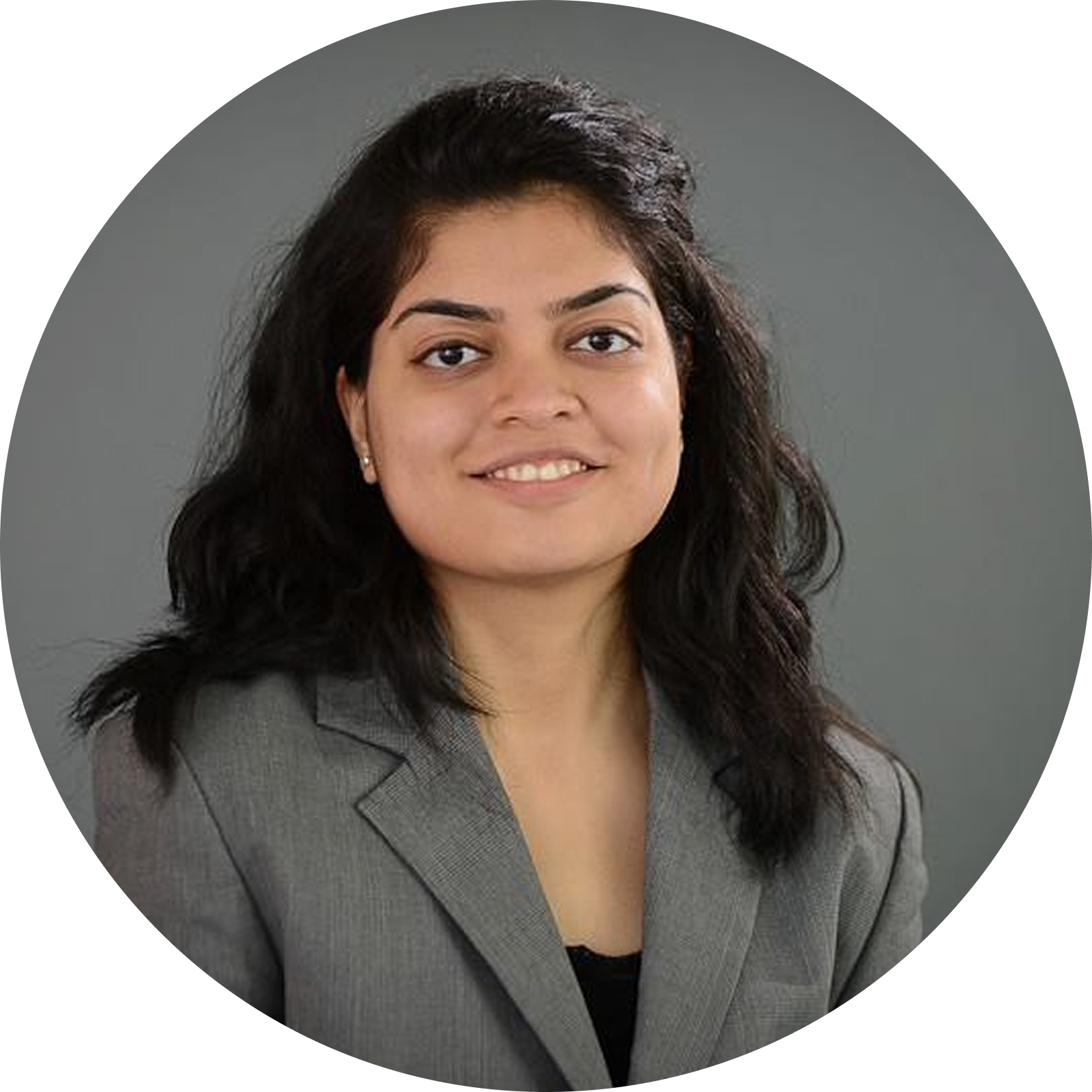
Mechanical Engineering and Sustainability, Stockholm Resilience Center
Lab Member
Mechanical Engineering and Sustainability, Stockholm Resilience Center
Mechanical engineer and sustainability researcher with experience in quality control and process engineering, and a background in sustainable development.
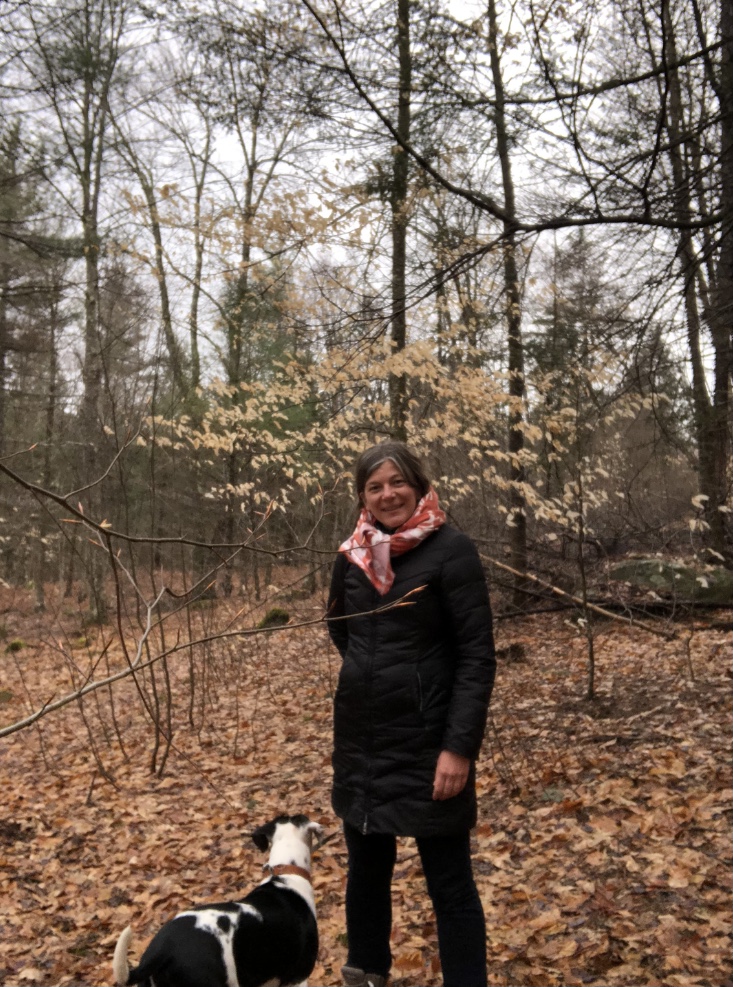
Collaborative Earth
Lab Facilitator
Collaborative Earth
Designer, systems thinker and artist focused on ecology and history.
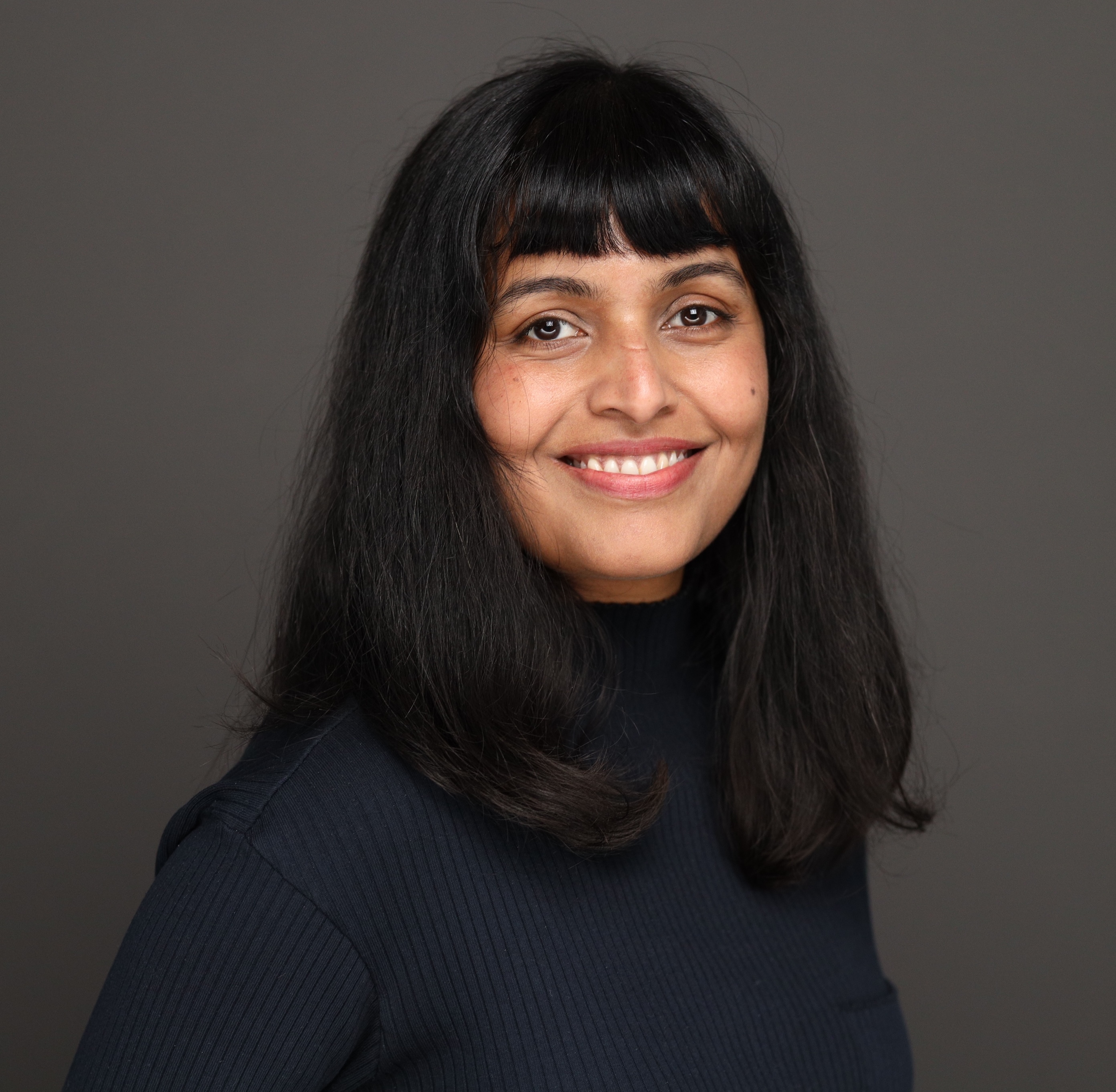
Software Engineer, Slack
Lab Member
Software Engineer, Slack
Software professional with experience in big data, data visualization, and machine learning.
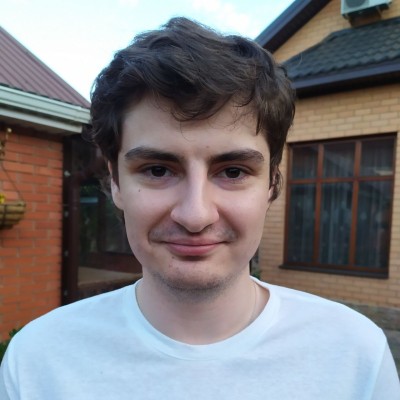
Computer Science, movingimage
Lab Member
Computer Science, movingimage
Software engineer with expertise in numerous programming languages. Volunteers as a software engineer at multiple environmental non-profits.
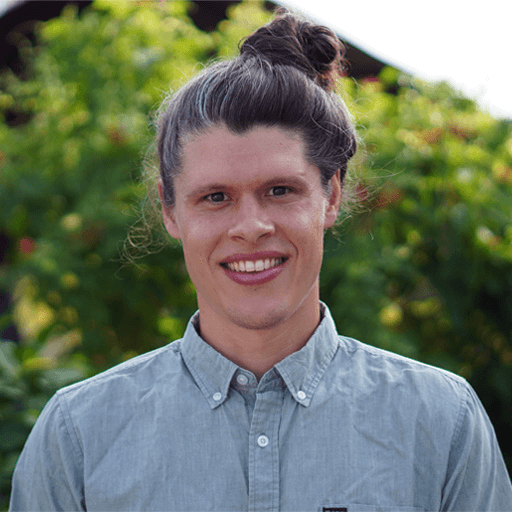
Restoration Ecology, ETH Zurich
Lab Leader
Restoration Ecology, ETH Zurich
Restoration ecologist at ETH Zürich. Uses large-scale restoration experiments and global data syntheses to bridge the gap between restoration theory and practice.
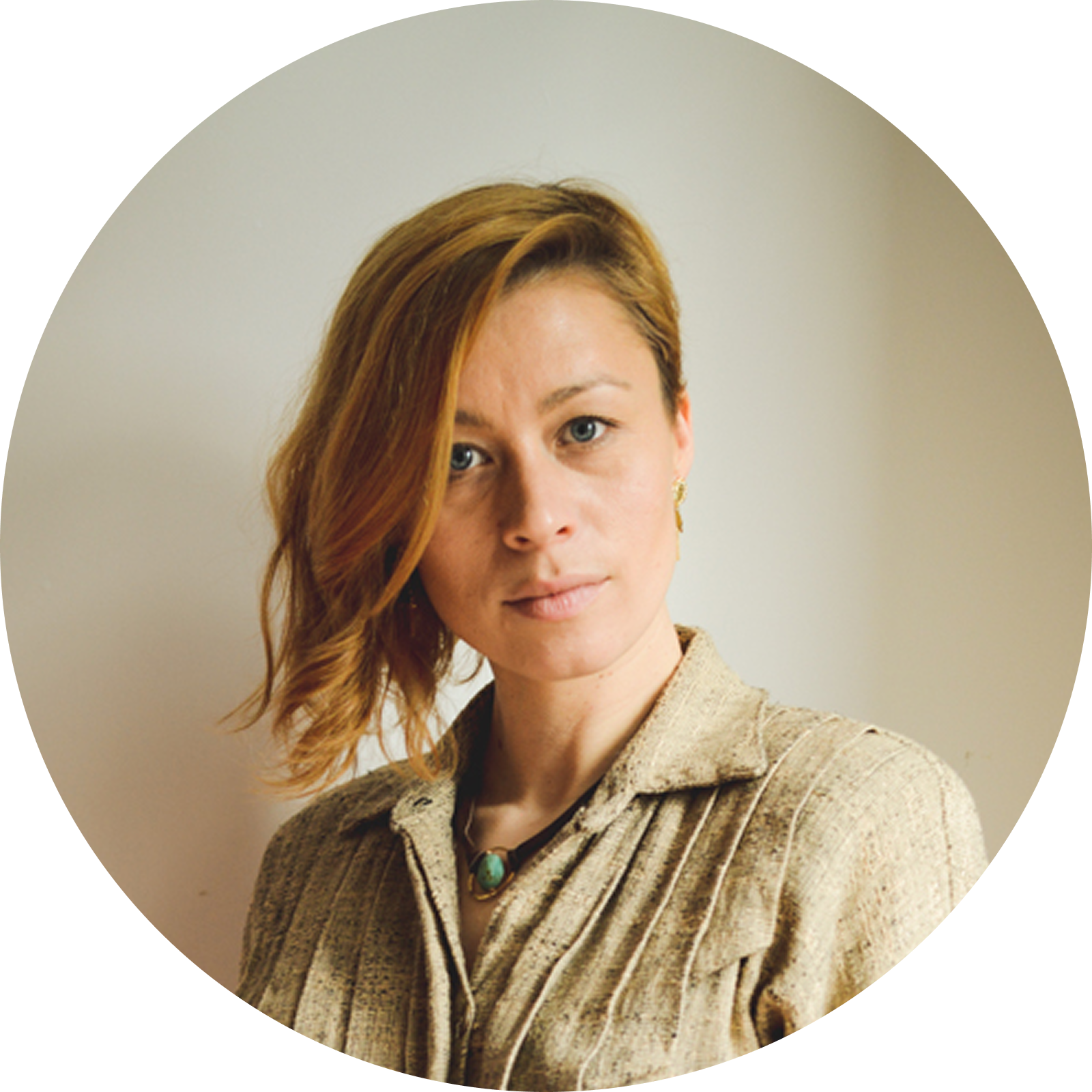
Organizational Sustainability, Fibershed
Lab Facilitator
Organizational Sustainability, Fibershed
Restoration and sustainability professional with an interest in scalable restoration and expertise in organizational leadership and societal change.
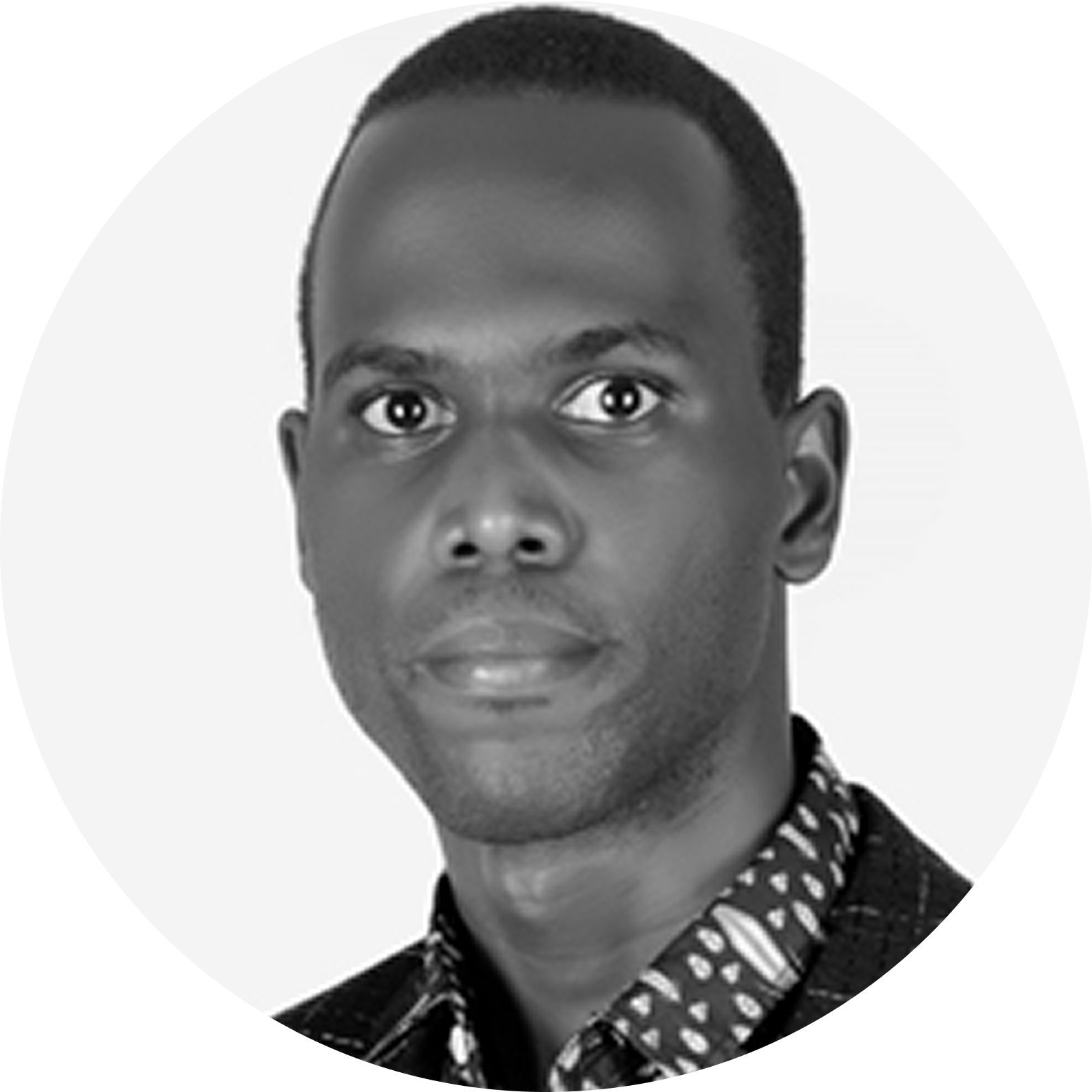
Sustainability Advising and Environmental Science
Lab Member
Sustainability Advising and Environmental Science
Environmental communicator and advocate with experience covering international environmental issues. Currently working as a sustainability advisor with the Netherlands government in Uganda.

Project and Systems Management, Planet
Lab Facilitator
Project and Systems Management, Planet
Project and Product Manager with experience translating business needs into technical solutions. Skilled in environmental sciences, natural resource management, sustainability, GIS, and remote sensing.
GIS, Forerunner
Lab Member
GIS, Forerunner
Geospatial analyst with both academic and industry experience in data analysis, remote sensing, and nature-based solutions.

Geosciences, Walker-Miller Energy Services
Lab Member
Geosciences, Walker-Miller Energy Services
Geospatial Technologies professional with an interest in conservation, earth science, geospatial technologies, and remote sensing.

Environmental Sciences, Utrecht University
Lab Member
Environmental Sciences, Utrecht University
Geoscience researcher of carbon and water cycles, with a focus on the exchange of CO2 between the atmosphere and biosphere in tropical regions.

Geospatial Analysis and Remote Sensing, University of Kinshasa
Lab Member
Geospatial Analysis and Remote Sensing, University of Kinshasa
Researcher in remote sensing technologies and geographic information systems using earth observation technologies for natural resources and sustainable management.

Marine Science, Two Drifters Consultancy
Lab Member
Marine Science, Two Drifters Consultancy
Environmental scientist with experience in carbon consulting and marine ecology. Passionate about the role biodiversity and natural engineers can play in ecological regeneration.
Software and Linguistics
Lab Member
Software and Linguistics
Software engineer and computational linguistics researcher with experience creating searchable databases of climate science literature.
Environmental Policy and Chemistry, SGS
Lab Member
Environmental Policy and Chemistry, SGS
Sustainability professional working to drive corporate sustainability and climate solutions in dynamic green business. Experience across STEM and Environmental Policy.
Carbon Finance
Lab Member
Carbon Finance
Energy professional with a background in carbon finance, nature-based solutions, and regenerative agriculture.
Forest Ecology, Carbon Direct
Lab Member
Forest Ecology, Carbon Direct
Early career environmental researcher with a focus on forest ecology and carbon. Experience in data collection as well as professional writing.
Forestry and Remote Sensing, The Habitat Trust
Lab Member
Forestry and Remote Sensing, The Habitat Trust
Ecological sustainability professional with experience in agroforestry, clean energy, and climate mitigation. Interested in nature-based solutions and evaluation of restoration programs using remote sensing.
Materials Engineering
Lab Member
Materials Engineering
Geotechnical and materials engineer with expertise in data science and sustainability. Committed to developing climate-resilient infrastructure that supports sustainable community development.
Communications, S2S Dynamics
Lab Member
Communications, S2S Dynamics
Experienced marketing & communications professional who is passionate about sustainability and climate with success in environmental startups.

Machine Learning, Independent Researcher
Lab Member
Machine Learning, Independent Researcher
Research affiliate at ETH Zurich with interests in trustworthy ML and human-AI interaction, with a focus on building safe, robust, interpretable, and interactive intelligent models.

Environmental Policy
Lab Member
Environmental Policy
Environmental policy professional focused on sustainability, clean energy, and water governance. Experience using in-depth research and data analysis to produce effective policy recommendations.
Software Engineering
Lab Member
Software Engineering
Software engineer with expertise in developing full-stack applications, designing mature CI/CD pipelines, and ensuring production-ready deployments.